




 By Tech Warmup
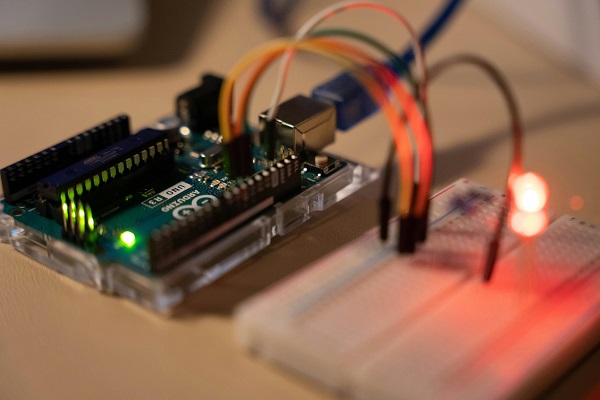
When we think of electronics projects, most people immediately jump to Arduino or Raspberry Pi. But guess what? You don’t always need a microcontroller to create something cool! Many amazing beginner-level DIY projects can be made using simple components like LEDs, batteries, switches, motors, and sensors.
So if you’re just starting your maker journey, here are Top 5 DIY Projects Without Arduino that are fun, educational, and easy to build at home!
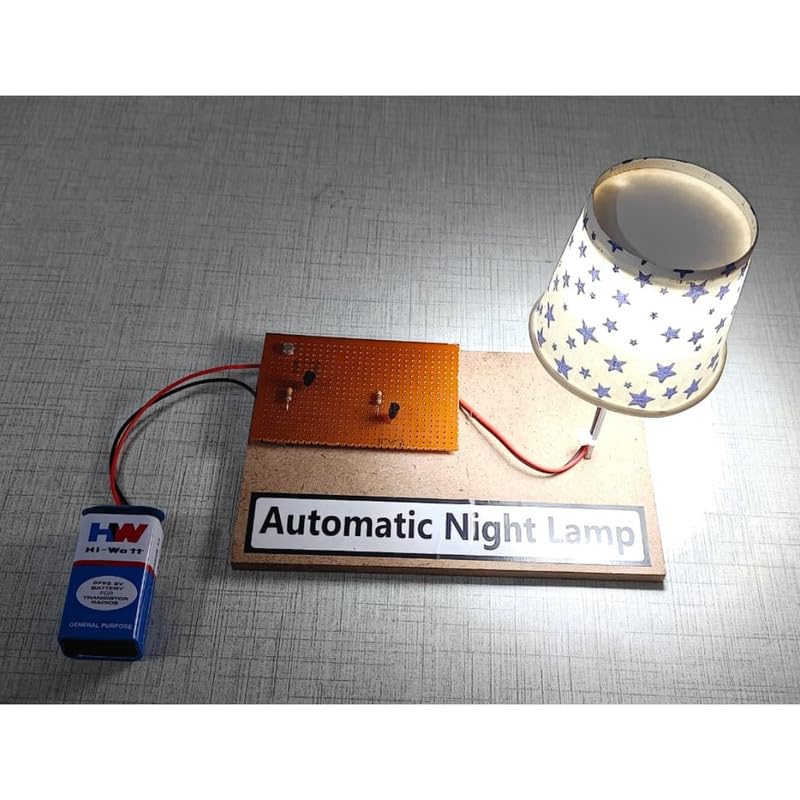
1ï¸âƒ£ Automatic Night Lamp
What it does:
This light automatically turns ON when the room gets dark and turns OFF when it becomes bright again.
How it works:
It uses an LDR (Light Dependent Resistor) and a transistor. The LDR senses light; when light decreases, the transistor allows current to pass and the LED glows.
Materials Needed:
-
LDR
-
10k Resistor
-
Transistor (BC547)
-
LED
-
9V Battery
Perfect for learning how sensors react to the environment!
2ï¸âƒ£ Clap Switch Light

What it does:
Turn ON any light or device just by clapping your hands — just like magic!
How it works:
A microphone module picks up the clap sound, and a flip-flop circuit built with transistors toggles the output.
Materials Needed:
-
Condenser Microphone
-
Transistor (2 × BC547)
-
Capacitors & Resistors
-
Relay Module
-
Light Bulb / LED
A fun project that teaches about sound sensing circuits.
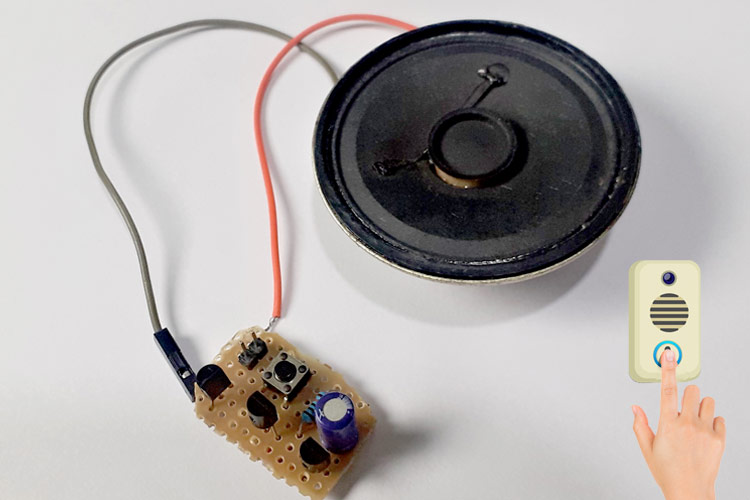
3ï¸âƒ£ Touch-Activated Doorbell
What it does:
Just touch a metal plate, and the doorbell rings — no button required!
How it works:
Your body acts as a signal conductor. A simple transistor-based circuit amplifies that small touch signal to trigger the buzzer.
Materials Needed:
-
Buzzer
-
Transistor (BC547)
-
1M Resistor
-
Metal Touch Plate
-
Battery
Works like modern touch switches — great for home use!
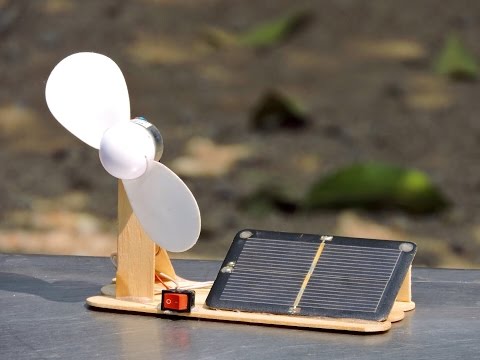
4ï¸âƒ£ Mini DC Fan Using Solar Panel
What it does:
A portable eco-friendly fan powered directly by sunlight.
How it works:
Solar energy drives a DC motor — no battery needed during daytime!
Materials Needed:
-
Small Solar Panel (3–6V)
-
Mini DC Motor
-
Fan Blade
-
Wires
Best for hot summer days and learning basics of renewable energy.
5ï¸âƒ£ Water Level Indicator

What it does:
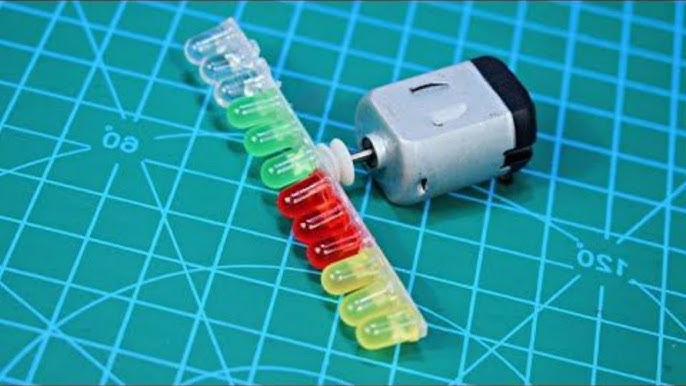
Shows the water level inside your tank using LED indicators.
How it works:
When water touches different metal probes, circuits close and LEDs light up one by one, indicating the current water level.
Materials Needed:
-
3–5 LEDs
-
Long Wires / Metal Probes
-
Resistors
-
Battery
A useful home automation project with daily application.
Why Start Without Arduino?
-
Helps you understand electronics basics
-
Cheaper components for learning
-
Build confidence before jumping into coding
-
Encourages problem-solving skills
Final Thoughts
DIY electronics doesn’t always require coding! Start with these simple and practical no-Arduino projects, and once comfortable, you can move to more advanced microcontroller-based builds.
If you want more project guides or tutorials, feel free to ask — Happy Making!
By Tech Warmup
When we think of electronics projects, most people immediately jump to Arduino or Raspberry Pi. But guess what? You don’t always need a microcontroller to create something cool! Many amazing beginner-level DIY projects can be made using simple components like LEDs, batteries, switches, motors, and sensors.
So if you’re just starting your maker journey, here are Top 5 DIY Projects Without Arduino that are fun, educational, and easy to build at home!
1ï¸âƒ£ Automatic Night Lamp
What it does:
This light automatically turns ON when the room gets dark and turns OFF when it becomes bright again.
How it works:
It uses an LDR (Light Dependent Resistor) and a transistor. The LDR senses light; when light decreases, the transistor allows current to pass and the LED glows.
Materials Needed:
-
LDR
-
10k Resistor
-
Transistor (BC547)
-
LED
-
9V Battery
Perfect for learning how sensors react to the environment!
2ï¸âƒ£ Clap Switch Light
What it does:
Turn ON any light or device just by clapping your hands — just like magic!
How it works:
A microphone module picks up the clap sound, and a flip-flop circuit built with transistors toggles the output.
Materials Needed:
-
Condenser Microphone
-
Transistor (2 × BC547)
-
Capacitors & Resistors
-
Relay Module
-
Light Bulb / LED
A fun project that teaches about sound sensing circuits.
3ï¸âƒ£ Touch-Activated Doorbell
What it does:
Just touch a metal plate, and the doorbell rings — no button required!
How it works:
Your body acts as a signal conductor. A simple transistor-based circuit amplifies that small touch signal to trigger the buzzer.
Materials Needed:
-
Buzzer
-
Transistor (BC547)
-
1M Resistor
-
Metal Touch Plate
-
Battery
Works like modern touch switches — great for home use!
4ï¸âƒ£ Mini DC Fan Using Solar Panel
What it does:
A portable eco-friendly fan powered directly by sunlight.
How it works:
Solar energy drives a DC motor — no battery needed during daytime!
Materials Needed:
-
Small Solar Panel (3–6V)
-
Mini DC Motor
-
Fan Blade
-
Wires
Best for hot summer days and learning basics of renewable energy.
5ï¸âƒ£ Water Level Indicator
What it does:
Shows the water level inside your tank using LED indicators.
How it works:
When water touches different metal probes, circuits close and LEDs light up one by one, indicating the current water level.
Materials Needed:
-
3–5 LEDs
-
Long Wires / Metal Probes
-
Resistors
-
Battery
A useful home automation project with daily application.
Why Start Without Arduino?
-
Helps you understand electronics basics
-
Cheaper components for learning
-
Build confidence before jumping into coding
-
Encourages problem-solving skills
Final Thoughts
DIY electronics doesn’t always require coding! Start with these simple and practical no-Arduino projects, and once comfortable, you can move to more advanced microcontroller-based builds.
If you want more project guides or tutorials, feel free to ask — Happy Making!
Comments